
Too thin, just right, or carrying extra?
How much to feed depends on the shape they’re in now. Most owners of an overweight pet see a pet that looks normal — so check with your hands, not only your eyes.
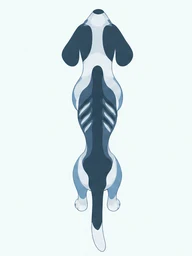
Too thin
Ribs and hips showRibs, spine and hip bones are easy to see. The plan aims for gradual, steady gain.
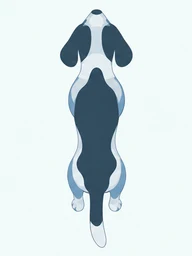
Just right
Ribs easy to feel, a waistYou can feel the ribs under a thin layer, and there’s a waist from above. Feed for maintenance.
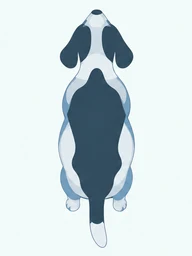
A bit heavy
Ribs hard to feelRibs need pressure to find and the waist is faint. The plan feeds for the weight they should be.
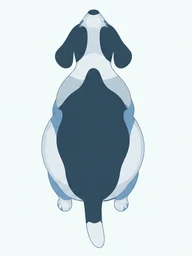
Overweight
No waist, a round bellyRibs can’t be felt, there’s no waist and the belly hangs. Ask your clinic about a weight program.
Check at home in a minute
- Ribs. Run flat hands along their side. You should feel each rib without pressing, like the back of your hand.
- Waist from above. Look down from over their back. There should be an inward curve behind the ribs.
- Belly from the side. The belly should tuck up toward the back legs rather than hang level or low.
What it doesn’t decide Body shape guides the feeding plan; it isn’t a diagnosis. Sudden weight change needs your veterinary team.